
Corn cultivation: Complete step-by-step guide, recommendations and care

Corn cultivation is very common around the world. In general, it is a staple food and a raw material for processing various products. And you don't have to do it industrially, because with a few essential steps you can successfully sow and harvest it.
In this regard, it is ideal for you to discover various aspects, such as the type of soil or the care that corn needs. You can also choose quality structures such as the multi-tunnel greenhouse, the Gothic greenhouse or the multi-chapel greenhouse. Each one is designed to allow you to work in spacious and safe areas.
Throughout this article, we will explain more about this topic, so pay attention. Now you will know how to grow and protect your corn plants throughout the entire cycle.
- What is maize?
- When is corn planted?
- In what climate is maize grown?
- What type of soil is best for growing maize?
- How to grow corn step by step?
- How to care for corn crops?
- How to harvest corn crops?
- Greenhouses useful for growing maize
What is maize?
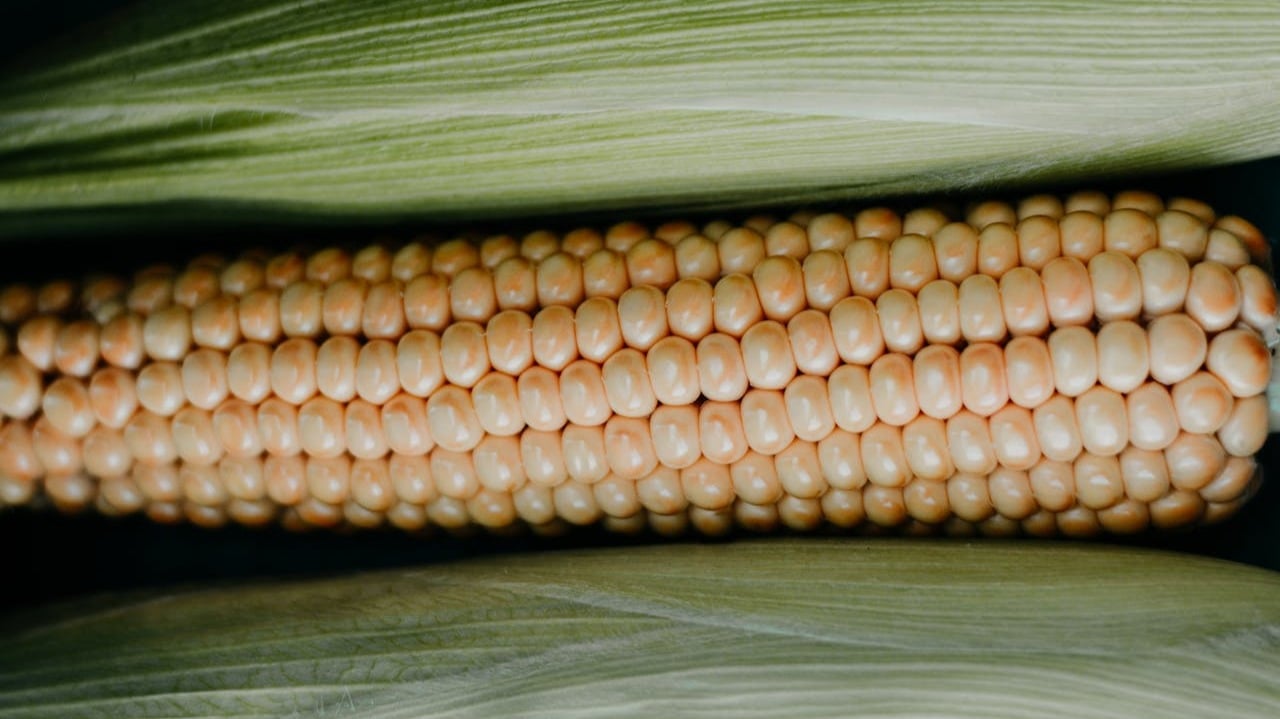
Corn is a herbaceous plant belonging to the gramineous family. It is mainly cultivated for its grain and is one of the most important sources of energy. It is commonly consumed by humans and animals.
It stands out for the following reasons:
- It has a high carbohydrate content.
- Contains vitamin B.
- It contains minerals such as magnesium and phosphorus.
When is corn planted?
The sowing or cultivation of maize depends on the local climate. It is usually carried out in late spring or when soil temperatures are between 10 and 12 °C.
However, in temperate zones, they can be sown from March to June, provided that there is no longer any risk of frost.
In what climate is maize grown?
Corn needs warm climates and several hours of sunshine. The ideal climate is one that generates a temperature between 18 °C and 27 °C.
Therefore, frost or drought can affect grain development. It is recommended to plan sowing during seasons with more stable and moderate climates.
What type of soil is best for growing maize?
Maize grows well in soils with the following characteristics:
- Deep and fertile
- With good moisture retention
- Loamy or sandy loam soils
- With a pH between 6 and 7
- Ensure they have good drainage so that their roots are not affected.
How to grow corn step by step?
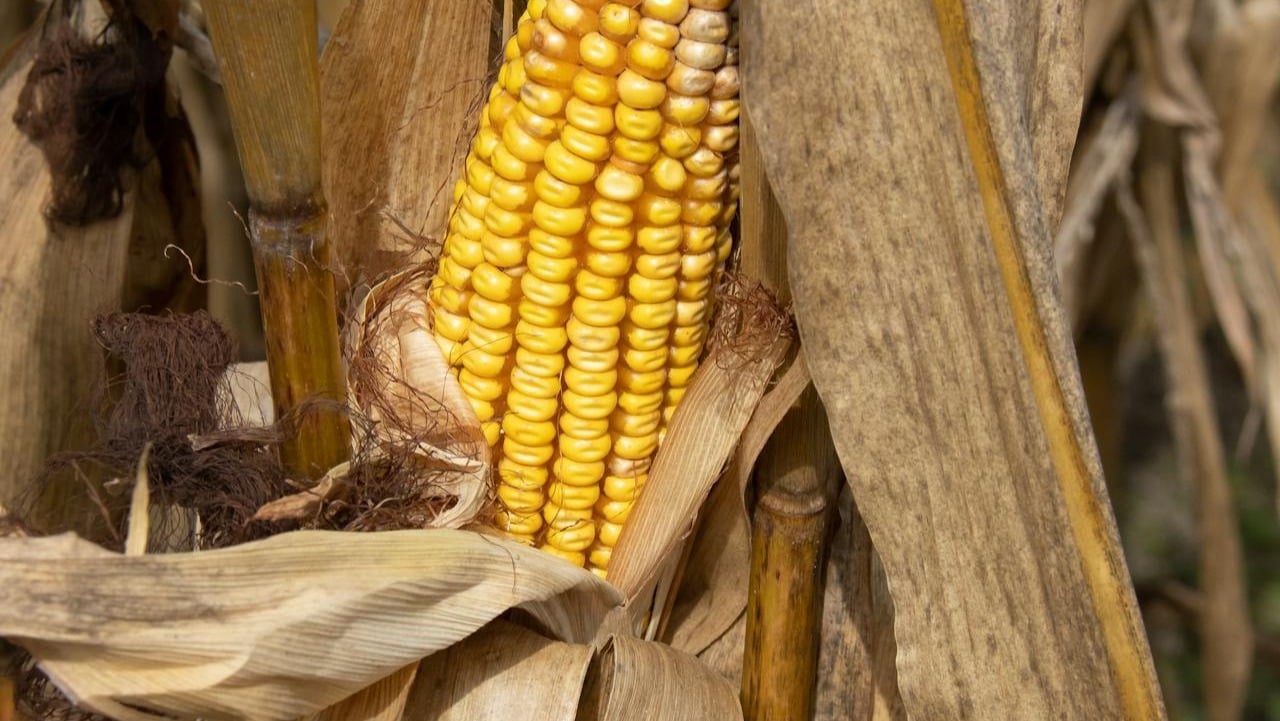
Now that you have general information about planting and corn plants, we will give you the steps to successfully grow a crop:
Step 1: Prepare the ground by removing weeds and levelling the surface.
Step 2: Now make furrows or rows with a spacing of between 60 and 80 cm.
Step 3: Now place the seeds at a depth of 3 to 5 cm. But you must leave between 20 and 30 cm between each plant.
Step 4: Keep the soil moist during germination. But avoid excess water.
Step 5: Now apply nitrogen-rich fertiliser to promote growth. This is done when the plants reach about 30 cm in height.
Step 6: Check for weeds regularly to prevent competition for nutrients and light.
Step 7: Earth up (pile soil around the base of the plants) when the stem is firm. This helps to stabilise the plant.
How to care for corn crops?
Now we will explain the essential care that a corn plant and the entire crop require.
Adequate irrigation of maize crops
Watering should be constant, but not excessive, as this can cause the roots to rot. Remember that corn needs more water during flowering and grain filling. You can opt for a drip or sprinkler irrigation system, which helps to maintain moisture.
Weed control when growing maize
You cannot forget about weeds because weeds can reduce yield. It is best to remove weeds manually in the first few weeks and before the maize is fully developed.
Corn fertilisation
Corn is also nutrient-demanding and needs potassium, nitrogen, and phosphorus. Here we recommend applying balanced fertilisers and adjusting the dose according to your soil type. Remember that plants have different needs at each stage of their growth.
Pest and disease control
Finally, remember that these plants have some common pests. You may encounter cabbage worms and aphids. To prevent this, check your crop frequently and apply appropriate biological treatments.
How to harvest corn crops?
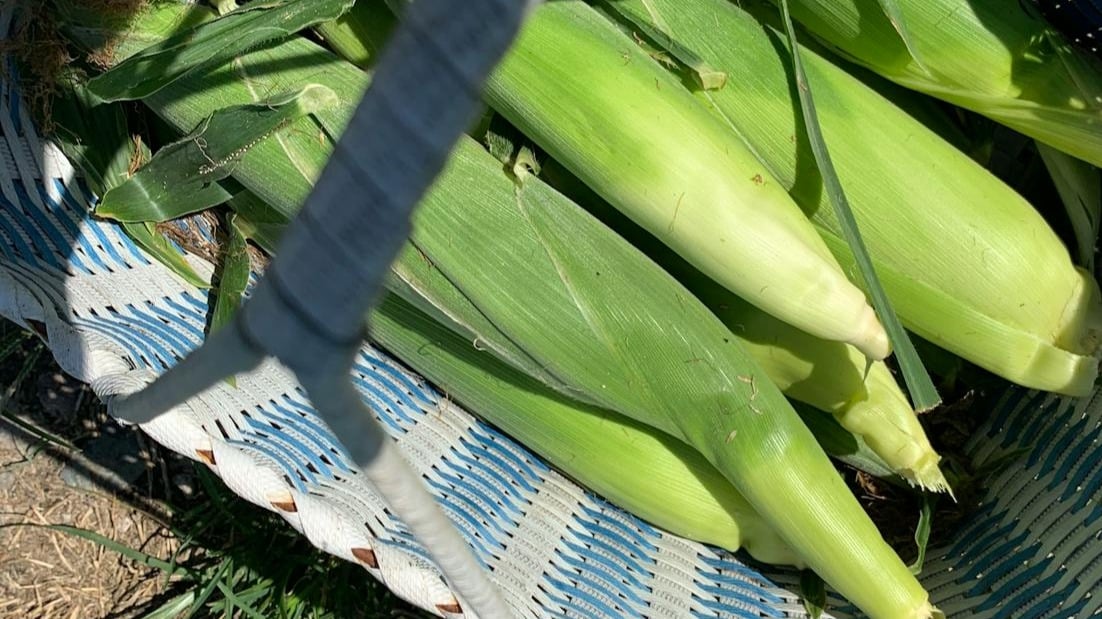
The ideal time to harvest is when the grains reach philosophical maturity. At this point, the moisture content is between 20 and 25%.
At this point, you will notice that the cobs have become hard and the leaves surrounding them are dry. When harvested, they should be left to dry in a well-ventilated place to reduce moisture and prevent mould.
Greenhouses useful for growing maize
We already know how to sow corn, but in which greenhouses can you grow corn plants? The ideal ones are those with large surface areas. At FERTRI, we have several models with high-quality structures that cover all the spaces required for sowing. Corn, for example, requires dimensions that allow it to be properly aerated.
Models such as multi-tunnel greenhouses, Gothic greenhouses and multi-chapel greenhouses are ideal for this type of planting, as they are large and it is possible to create successful crops with all the conditions required by each maize plant. You would be opting for resistant greenhouses adapted to each agricultural project.
If you would like more details, please do not hesitate to contact us for advice.


